Puma Deviate Pure Nitro Is a Super Trainer Without the Stiff Bits
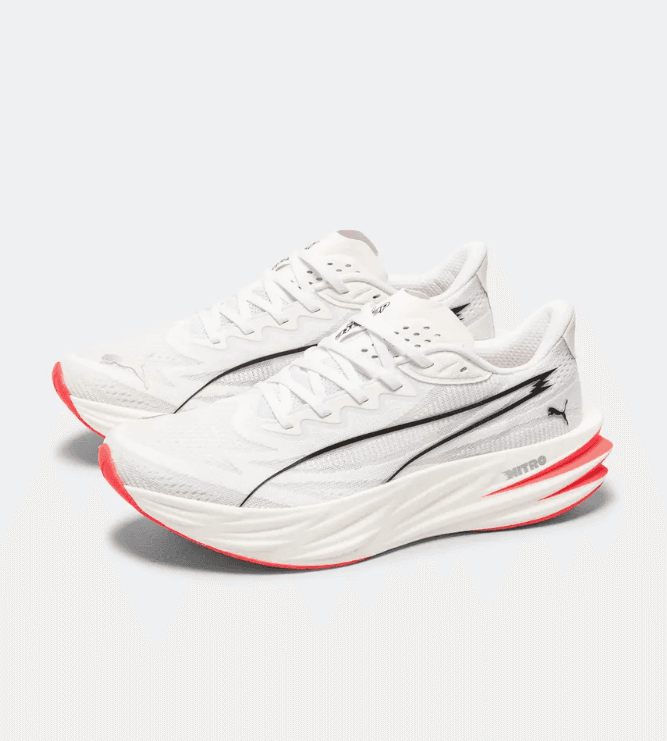
Puma's new Deviate Pure Nitro launched globally on 4 June 2026 at $150 / €150. The pitch is simple: super-shoe foam with the carbon plate removed: 100% PEBA NITROFOAM, 220g, and a ride built for everyday speed rather than race day.
What happened
Puma launched the Deviate Pure Nitro on 4 June 2026, priced at $150 / €150 through Puma.com, flagship stores, and select retailers across North America, Europe, Latin America, Asia, and Australia. The headline is what's not in the shoe: for the first time in the Deviate line, there is no PWRPLATE. Instead, the Pure runs on a full-length midsole of evolved NITROFOAM, a 100% PEBA compound (the same family of foam used in Puma's top racing shoes), with nothing stiff in between.
The result is a shoe that weighs 220g in a men's UK 8 and 180g in a women's UK 4.5, about 30g lighter than its carbon-plated sibling, the Deviate Nitro 4.
The midsole: all foam, no plate
The "plateless super trainer" has quietly become one of the most interesting categories in running. The recipe: take the bouncy PEBA foam that makes race-day super shoes feel special, remove the rigid carbon plate that makes them aggressive, and let the foam do all the work.
That's exactly the Pure's build:
- Stack height: 38mm heel / 30mm forefoot, an 8mm drop.
- Midsole: full-length 100% PEBA NITROFOAM, the first Puma shoe built on the evolved version of the compound.
- Plate: none, and that's the point.
"Our ambition was to make speed more accessible, but still retain the performance benefits that have made Deviate loved by runners," said Romain Girard, VP of Innovation at Puma. The brand describes the ride as smooth, responsive and energy-fuelled: a shoe that "strips back speed to its purest form."
Upper and outsole
Up top, the Pure uses a breathable engineered mesh with a padded tongue and plush collar, comfort-first touches that signal daily-trainer intentions rather than race-day minimalism. Underfoot, the outsole is PUMAGRIP, Puma's all-weather rubber, which has built a strong reputation for wet-road traction across the Nitro range.
Where it fits
Puma is aiming the Pure directly at the busiest shelf in the shop: the space between a daily trainer and a racing shoe, currently occupied by the Nike Zoom Fly 6, Adidas Boston 13, and Asics Superblast 2. Those shoes all pair super foams with plates or rods. The Pure's bet is that most runners doing most of their weekly miles don't actually want the plate: they want the bounce without the bossiness.
Within Puma's own range, it slots in under the Deviate Nitro 4 (plated, heavier, more structured) and well under the Deviate Nitro Elite 3 (the race-day shoe). At $150 it undercuts much of the plated super-trainer field while using a foam package that usually costs more.
Why this matters if you're newer to running
Here's the part that matters for most of us: carbon plates are built for fast, settled running form: they're stiff levers that reward runners who land and roll through quickly. For newer runners, that stiffness can feel harsh, and some coaches advise against doing all your training in plated shoes while your legs are still adapting.
A plateless shoe with top-shelf foam is a different proposition. You get the soft, springy, fun ride that makes modern shoes feel like a cheat code, but the shoe stays flexible and lets your foot move naturally. If you've been curious about what the super-shoe fuss feels like but you're not lining up to race a 10K next weekend, this category (the Pure, the Superblast, the Boston) is the sensible way in.
At 220g with 38mm of PEBA underfoot and a $150 price, the Deviate Pure Nitro might be the most beginner-relevant "fast shoe" Puma has made. The early verdict from the running press is that the brand has read the moment correctly: the plate was never the part most runners needed.